.gif)


Tips & Trends
-
April 23, 2026
How to Measure ROI and Set KPIs for Your Social Media Advertising Campaign
written by

If you’re spending money on social media ads and you’re unsure of what you’re getting in return, you’re not alone there!
So many businesses across industries jump headfirst into paid campaigns- only to realise there’s actually no solid way to measure or define success. They tend to chase likes, impressions, and engagement from consumers but often miss the main thing that matters the most: results!
In this how-to guide, we will walk through steps on how to measure social media advertising ROI, how to assess if your campaign performance did well, and how to set the right KPIs for long-term success!
Social media advertising ROI refers to the return a business receives from money spent on paid social campaigns across platforms like Facebook, Instagram, TikTok or LinkedIn. It measures whether advertising spend is generating revenue, leads or measurable business growth compared to the cost of running those campaigns.
In 2026, social media advertising ROI is increasingly influenced by AI-driven targeting, creative testing and automated optimisation tools within platforms like Meta Ads Manager and TikTok Ads.
If you’re still building your foundation or want a broader understanding of how paid social actually works, start with our guide to social media advertising, which breaks down platforms, formats, and campaign structure.
What Does ROI Mean in Social Media Advertising
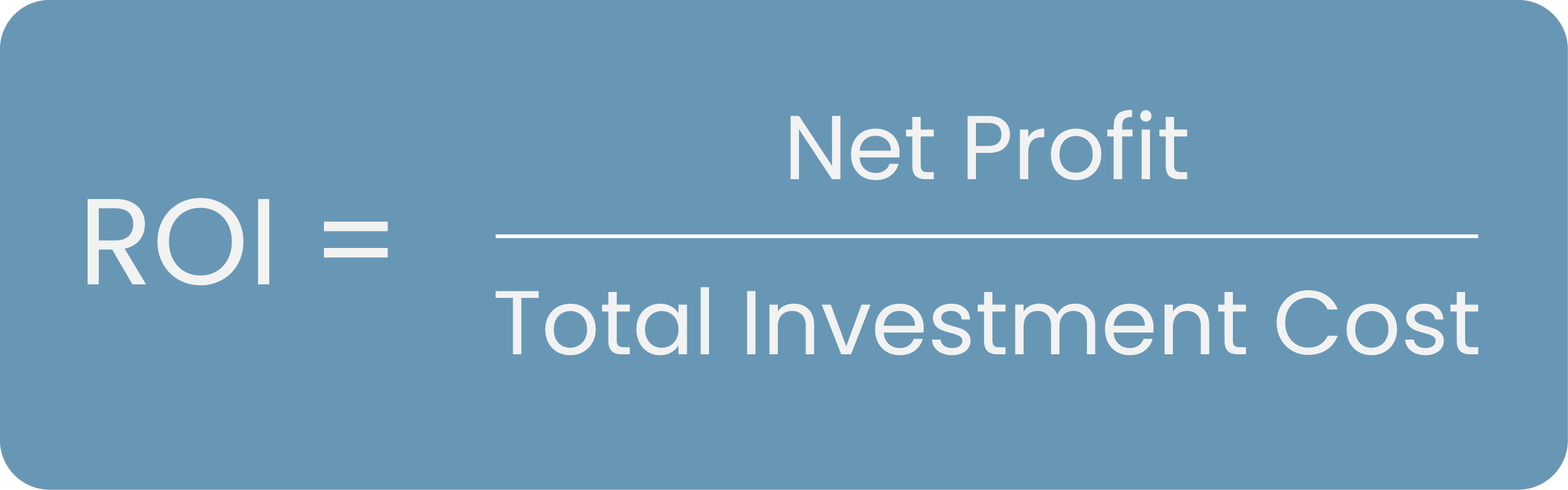
ROI stands for ‘return on investment’. The data illustrates whether your marketing efforts are helping your business grow. In simple terms, it looks at whether the value you are creating is greater than the resources you are spending.
The formula is:
ROI = (Net Profit ÷ Total Investment Cost)
For example, if your total investment is $100 and it brings in $120 in profit, your ROI is 20 percent.
ROI includes everything from product costs, team salaries, ad spend, to tools. That is why ROI is such a powerful metric. It shows whether your business is truly progressing, not just performing well in a single area.
But because ROI covers so many moving parts, it is difficult to track in real time. Which is why we rely on other key metrics to build a clearer picture of whether you are getting a return on your marketing investment.
In the next section, we will break down these metrics and show you how to use them to guide better decisions.
The 3 Levels of Measuring Paid Social Impact
To truly understand how your social media advertising is performing, you need to zoom out before zooming in. Marketing does not work in isolation. Paid socials are just one part of a broader ecosystem; therefore, we recommend measuring performance across three levels.
Level 1: Business Outcomes
Start with the big picture. Is your business growing profitably?
Before diving into ad performance or platform metrics, examine how your business is performing as a whole. These numbers tell you if your efforts are creating more value than they consume.
Key metrics to monitor include:
• Contribution margin
Formula: Contribution Margin = Revenue – Variable Costs
This is your revenue minus variable costs. It shows how much money you have left to cover fixed costs like rent, tools, and salaries. A strong contribution margin means your business is bringing in real value, not just generating top-line sales.
• Order revenue
The total revenue from customer purchases. Track this over time to understand if your marketing is driving consistent and meaningful growth.
• Total ad spend
This is the total amount you are spending across all channels. By comparing this with the revenue generated, you can assess whether your investments are yielding a return or simply burning through cash.
If you’re unsure what realistic ad budgets look like or how costs vary by platform and campaign type, our breakdown of the cost of social media advertising explains this in more detail.
• Marketing efficiency ratio (MER)
Formula: MER = Total Revenue ÷ Total Ad Spend
This metric indicates the efficiency of your overall marketing efforts. For example, if you generate $ 5,000 in revenue from a $ 1,000 ad spend, your MER is 5.
These numbers give you a clear snapshot of your overall business health. If the results are moving in the right direction, you are on the right track and can focus on refining what is already working. If they are not, it is a sign to dig deeper. The next level of measurement will help you uncover where the problem lies and what to adjust.
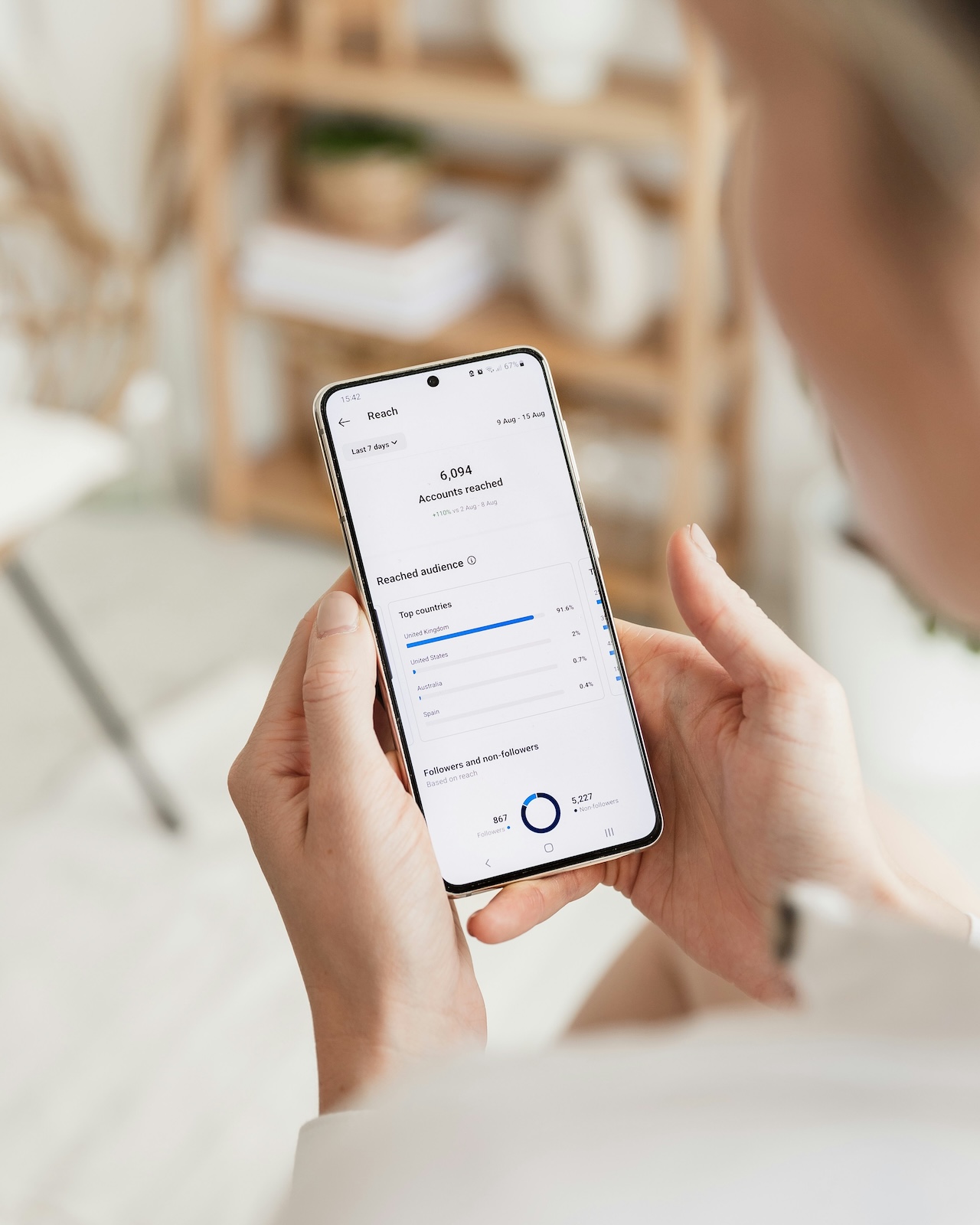
Level 2: Customer Acquisition and Growth
Once you have a good understanding of your overall business performance, zoom in on how paid social is contributing to new customer growth.
New customers are essential to the long-term vitality of any business, and understanding how much it costs to acquire them and what they are worth helps you assess whether your growth is profitable and sustainable. A high new customer acquisition cost can make sense if customers return and spend more over time, but if you are spending more than you are earning, it points to a deeper issue.
Key metrics at this level include:
• nCAC(New customer CAC)
Formula: nCAC = Total Acquisition Ad Spend ÷ Total Number of New Customers
The average cost to acquire a new customer. This reveals how efficient your acquisition efforts are.
• Total new customers
Measures whether your paid efforts are expanding your customer base. Without growth here, you are likely just recycling existing demand.
• aMER (Acquisition Marketing Efficiency Ratio)
Formula: aMER = Revenue from New Customers ÷ Acquisition Ad Spend
Tells you whether your acquisition is scalable. Higher ratios signal more room for growth.
• Repeat purchase rate
Repeat Purchase Rate = Returning Customers ÷ Total Customers
Indicates whether customers come back. This reflects satisfaction and long-term value, and helps balance high acquisition costs.
At the core, you are asking one thing: Is your acquisition strategy fueling long-term growth or just draining cash without building momentum?
Level 3: Platform Performance
With a good grasp of your business and acquisition metrics, the final step is to assess how your ads are performing inside each platform. These metrics help you diagnose what is working and what needs fixing.
Platform ROAS shows the revenue generated per dollar spent within a single channel. It is helpful, but not the full picture. Once you understand your business-level MER, you can work backwards to set practical ROAS targets for each of your platforms.
Key metrics to track:
- ROAS (Return on Ad Spend)
Formula: ROAS = Revenue from Ads ÷ Ad Spend
Measures how much revenue your ads generate per dollar spent. For ecommerce, this is often the most actionable metric.
- CPA (Cost per Acquisition)
Formula: CPA = Total Ad Spend ÷ Number of Conversions
Best for lead generation. It shows how much it costs to drive a desired action, like a form submission or booking.
- CTR (Click-through Rate)
Tells you how compelling your ad is. Low CTR usually means your hook or creative needs work.
- CVR (Conversion Rate)
Shows how many people take action after clicking. A low CVR may point to friction on your landing page or a mismatch between ad and offer.
ROAS and CPA give you an exact analysis of ad performance. CTR and CVR help you identify which creative or funnel elements need improvement.
Many early-stage brands rely heavily on a single channel. In those cases, ROAS often becomes a stand-in for overall efficiency. While that is a fine starting point, it is essential to note that platform data is not always accurate. Use it as a guide, not gospel.
These metrics are meant to inform your decisions, not dictate them. Always tie platform performance back to your broader business goals to stay focused on what really moves the needle.
If you're working with a Melbourne social media marketing agency, understanding how ROI is calculated helps ensure your advertising budget is producing measurable business results.
How to Measure Social Media Advertising ROI
Measuring social media advertising ROI means comparing the revenue or business value generated from your paid campaigns with the total cost of running them. This includes ad spend, creative production, and campaign management. By connecting platform data with ecommerce, analytics or CRM tools, businesses can see whether their social media advertising is actually driving profitable growth.
Understanding what to measure is one thing. Tracking it properly is where most campaigns fall short. To measure ROI and performance accurately, you’ll need to connect data from ad platforms, ecommerce systems, and attribution tools. Here’s how to get a full picture.
Many businesses work with agencies that specialise in paid social advertising services to properly track campaign performance and optimise ad spend across multiple platforms.
1. Start with Platform Tools
Start with the native tools inside the platforms:
Use the built-in reporting tools from each platform to monitor in-platform performance:
- Meta Ads Manager (Facebook and Instagram)
- TikTok Ads Manager
- LinkedIn Campaign Manager
With the help of pixel tracking, these tools let you track essential metrics such as: ROAS, CPA, CTR, CVR, total spend,
While useful for fast feedback, these tools only show what’s happening inside the platform. They do not connect directly to business outcomes like profit, customer lifetime value, or sales outside of paid channels. That’s where your own data stack comes in.
2. Track Business Performance with E-commerce or CRM Tools
This is where ROI tracking becomes more complete.
- Shopify / WooCommerce / BigCommerce
Tracks order revenue, new vs repeat customers, average order value, and total sales. Helps you calculate MER and contribution margin.
- Google Analytics 4 (GA4)
Tracks cross-channel attribution, user behaviour, and funnel progression. Use it to see how different traffic sources work together.
- HubSpot / Salesforce / ActiveCampaign (for lead generation)
Tracks lead quality, sales pipeline, and conversion timelines. Helps connect ad spend to actual customers and revenue.
3. Measure Efficiency and Profitability with Custom Reporting
Some metrics require blending data from multiple sources. Use Google Sheets, Excel, or a dashboard tool like Looker Studio to track:
- MER = Total Revenue ÷ Total Ad Spend
- aMER = New Customer Revenue ÷ New Customer Ad Spend
- nCAC = Acquisition Ad Spend ÷ Total New Customers
- Repeat Rate = Returning Customers ÷ Total Customers
These metrics help you understand whether your ad dollars are driving sustainable growth or just short-term wins.
Attribution Tips
- Add UTM parameters to every paid link to improve visibility in GA4
- Set up proper conversion tracking using custom events rather than just URLs
- Always cross-check ad platform numbers with real backend data before making decisions
How to Set KPIs for a Paid Social Campaign
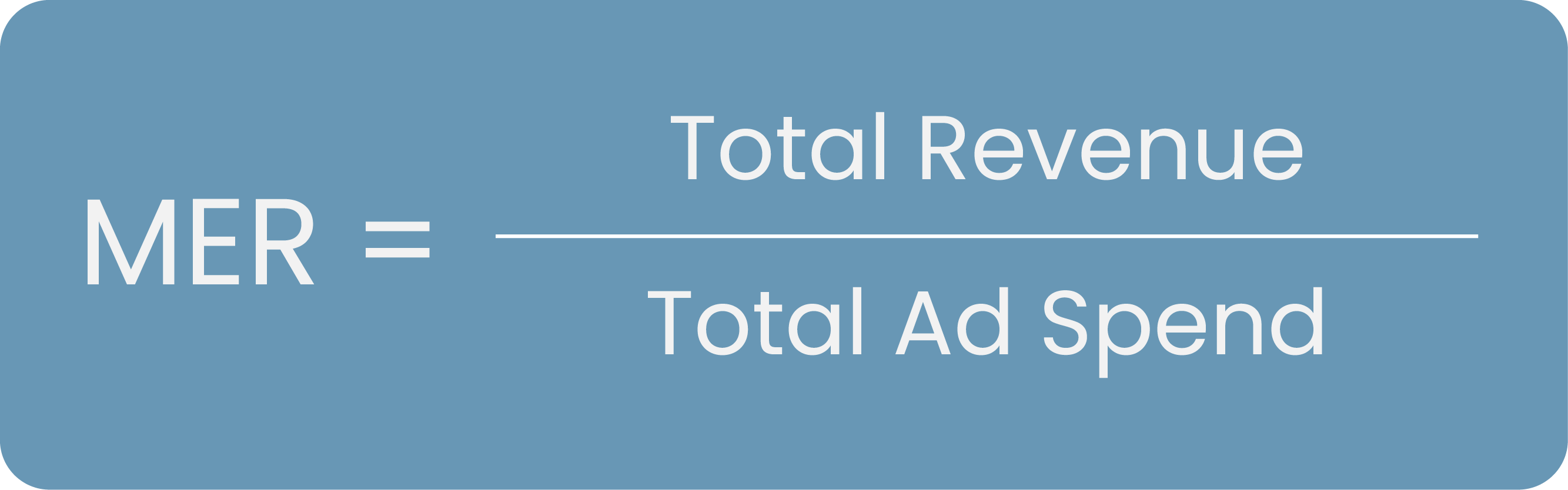
There are many important metrics in paid social, but one of the most reliable and available is MER. MER helps you stay grounded in real business performance because it compares your actual revenue to your total ad spend.
MER = Total Revenue divided by Total Ad Spend
It tells you if your marketing is helping your business grow in a sustainable way. Unlike platform metrics that may be inflated or delayed, MER is based on actual sales and spend.
Different businesses will have different MER goals depending on product cost and operating expenses. Most businesses can remain healthy at an MER between 3 and 5. If your business needs to hit an MER of 10 to stay profitable, that is a red flag to revisit your cost structure or pricing model.
Once you know your MER goal, you can reverse engineer platform-specific targets. Your ROAS targets will usually be lower than your MER because other channels like organic traffic, email, and returning customers also help contribute to your sales.
Many brands combine paid campaigns with ongoing social media management services to build stronger engagement and improve long-term performance.
Why ROAS Still Matters
ROAS gives you faster feedback and lets you monitor channel performance in real time. Start with a sensible baseline, such as a ROAS between 2 and 3, then refine it as you gather more data. Let MER guide your overall strategy and use ROAS to improve performance on each platform.
Ultimately, you are setting these targets to build a profitable and growing business. Your goal-setting process should reflect that. It should be grounded in practical numbers, informed by data, and focused on sustainable growth.
Not Hitting Your Target ROAS in Your Paid Social Campaign?
Paid social is more competitive than ever. If your ROAS is falling short, here are the most effective levers you can pull to improve it:
1. Strengthen the Offer
ROAS lives and dies by the offer. Make sure what you are promoting is valuable, clear, and desirable. Add urgency, simplify the pitch, or bundle products to increase perceived value.
2. Improve Your Creative
Better creative means cheaper clicks. Lead with attention-grabbing visuals, clear messaging, and a strong hook in the first three seconds. Test different angles, not just small tweaks.
3. Sharpen Your Targeting
Even great ads fail when directed to the wrong people. Know exactly who you are speaking to and tailor your message for them. The more personal the ad, the more effective it becomes.
4. Optimise the Landing Page
A weak landing page kills ROAS. Make sure it aligns with your ad, loads quickly, and drives action. Remove distractions, add social proof, and test stronger CTAs.
5. Tighten Your Funnel
Reduce friction wherever you can. Are your lead forms too long? Is the checkout process clunky? Do you have an email flow in place to convert high-intent buyers? Plug the leaks that silently drain conversions and inflate your CPA.
When to Get Help From a Pro
If you have tested a few different creatives, adjusted your targeting metrics, or reworked your offer but nothing’s sticking? Then it’s probably time to bring in some backup.
An experienced media buyer or strategist can detect blind spots, tighten up your campaign structure to make it airtight, and help align your ads with your wider growth goals. Especially if you’re investing thousands each month, having a second set of expert eyes can really save more what you’re not willing to lose.
Figuring it out alone is stressful- worry not. We’re a social media ads agency that can help your business firing on all cylinders!
Final Thoughts
Measuring social media advertising ROI is often not only about tracking the digits. It can also be about uncovering patterns, building confidence as a brand, and making smarter decisions. When you focus on the process of finding the right metrics, setting realistic goals, and improving what can be controlled, your business will thrive in no time!
Want help measuring or improving your ad ROI? Let’s have a chat, or explore our guide to social media advertising for a deeper dive into building high-performing campaigns.
FAQs
How do you measure ROI from social media advertising?
ROI from social media advertising is measured by comparing the revenue or value generated from a campaign to the total cost of running it. This includes ad spend, creative production, and management costs. Businesses typically track metrics such as return on ad spend (ROAS), cost per acquisition (CPA), and total revenue generated from campaigns. By connecting platform data from tools like Meta Ads Manager with analytics platforms such as Google Analytics or a CRM, you can see whether your advertising investment is producing profitable growth.
What KPIs should you track for social media advertising campaigns?
The most useful KPIs for social media advertising campaigns include ROAS (return on ad spend), CPA (cost per acquisition), CTR (click-through rate), CVR (conversion rate), and overall marketing efficiency ratio (MER). ROAS helps measure revenue generated from ads, while CPA shows how much it costs to acquire a customer or lead. CTR and CVR help identify whether your creative and landing pages are performing well. Tracking these KPIs together gives a clearer picture of both campaign performance and overall marketing efficiency.
How long does it take to see ROI from paid social ads?
Most paid social campaigns need a short testing period before they generate consistent returns. In many cases, businesses begin seeing meaningful data within the first two to four weeks, once enough impressions and conversions have been collected. During this time, advertisers test audiences, creative, and messaging to find what works best. Strong campaigns typically improve over time as optimisation and creative testing increase efficiency and lower acquisition costs.
What is a good ROAS for Facebook or Instagram ads?
A ROAS between 2 and 3 is a solid starting point. Your ideal number depends on margins, costs, and other channels. Use MER to set your overall target, then break it down by platform.
How do I know which ads are converting?
Check ROAS, CPA, CTR, and CVR in your ad platform. Use UTM links and back it up with sales or lead data from Shopify, Google Analytics, or your CRM.
Can I calculate ROI without an eCommerce store?
Yes. Use your CRM to track how leads convert and connect that to your ad spend. It takes more setup but gives you a clear view of campaign performance.
Is ROI the only metric that matters?
No. ROI gives the big picture, but you also need metrics like MER, CAC, and ROAS to understand what is driving performance and where to optimise.

about the author

Social Media Management Pricing in Australia (2026 Guide)

How to Choose a Social Media Agency in Melbourne
Have a



%201.png)
%202.png)
